Architecture & Cloud
liquidTMS is based on a cloud-based system architecture that is designed for stable operation,
secure data processing and scalable liquidity planning.
Applications, data processing and data storage are clearly separated from each other.
This means that the platform remains stable even with increasing data volumes.
Individual system areas can be operated and secured independently of each other.
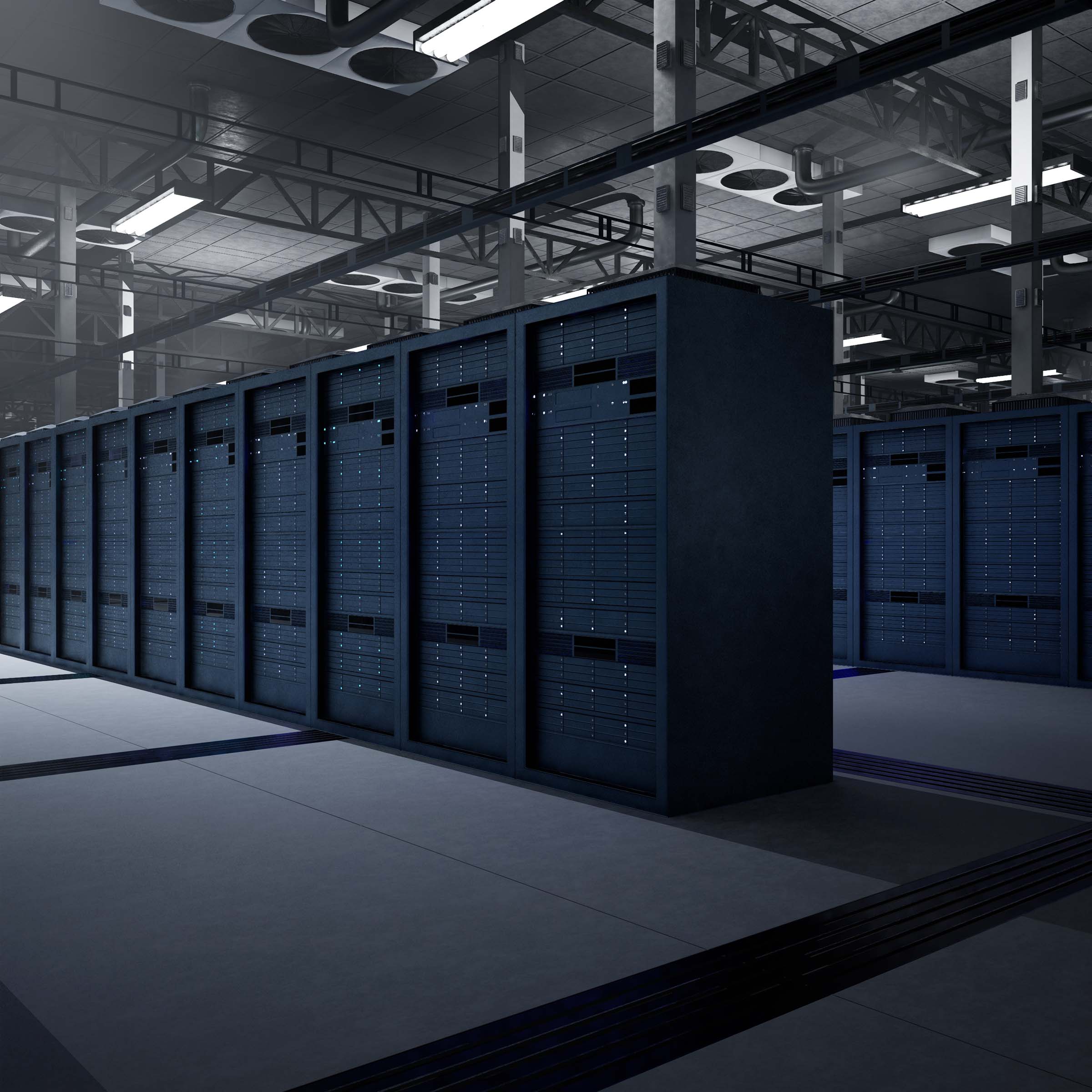
System architecture of the liquidTMS platform
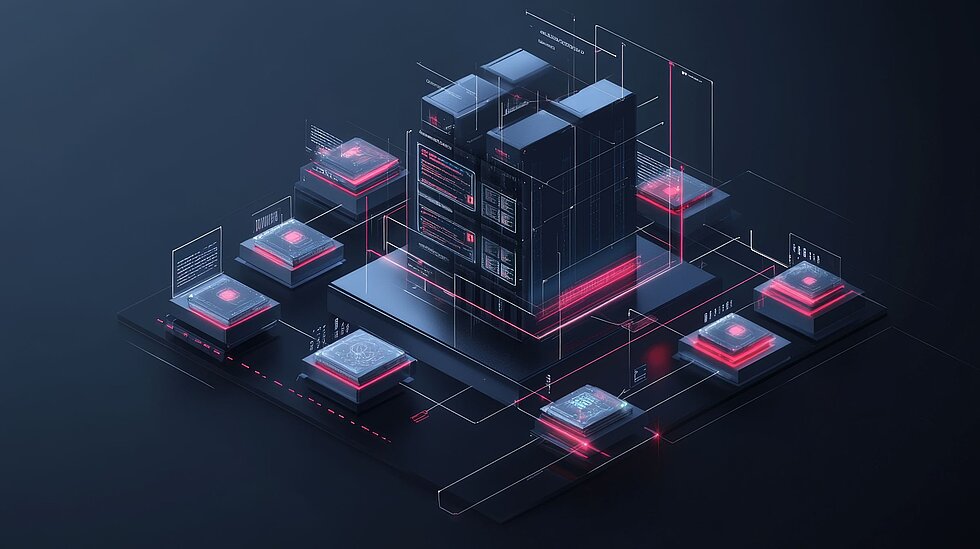
The cloud architecture of liquidTMS combines data integration, data processing, forecast calculation and secure cloud infrastructure in a clearly structured platform.
All system components work in separate layers and enable stable and scalable processing of financial data.


Container-based system architecture
liquidTMS uses a container-based architecture based on Docker containers to run the platform components. The application and database are operated in separate containers.
The container architecture offers several advantages:
- Independent scaling of individual system components
- Clear system structure
- Stable execution of forecast calculations
- Simplified maintenance and updates
Individual system areas run independently of each other and can be operated separately. This means that the platform remains stable even under high loads and can be expanded flexibly.
Client separation and isolated data processing
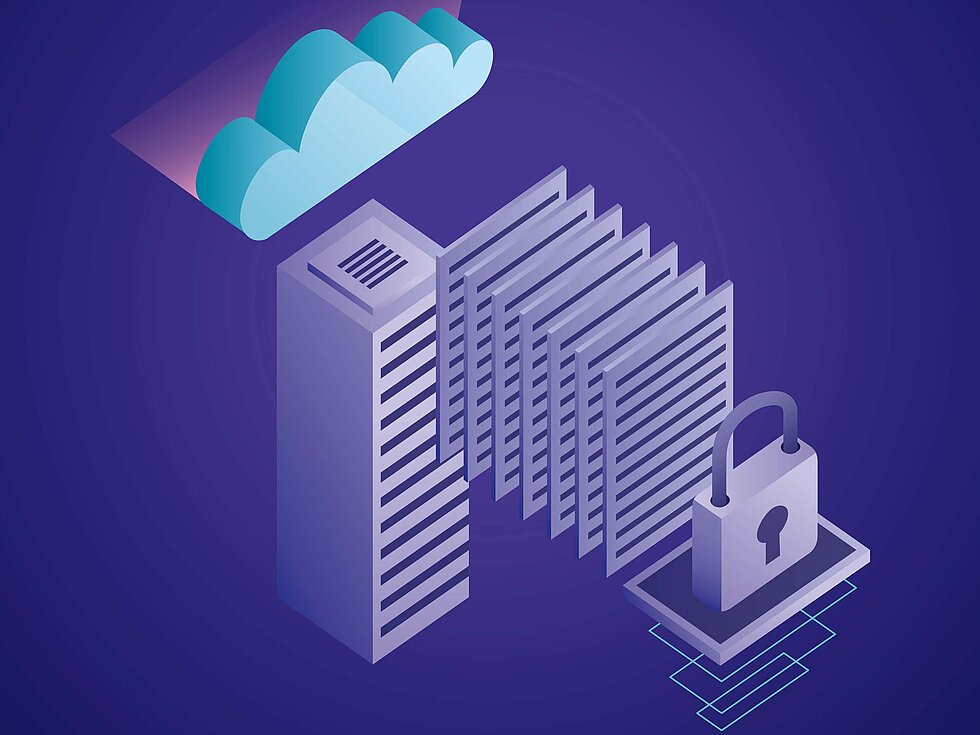
Each liquidTMS instance runs in an encapsulated, client-specific system environment. Financial data, forecasting models and system configurations are processed and stored exclusively within this environment.
Machine learning models for forecasting are also created individually for each system instance and are based exclusively on the data of the respective company.
There is no utilisation or mixing of data between different companies.
Questions & answers about the liquidTMS architecture
liquidTMS is operated on Microsoft Azure and hosted in data centres within Germany.
This means that data processing and storage are subject to German and European data protection regulations.
Yes. Each liquidTMS instance runs in its own isolated system environment.
Data, forecasting models and configurations are processed strictly separately and are not shared between companies.
No. Forecast models are created exclusively on the basis of the data of the respective company.
This data may not be used for other systems or analyses.
The platform is based on a container-based architecture with separately scalable system components.
Individual areas run independently of each other so that the system remains stable even under high loads.
The cloud infrastructure enables flexible scaling of computing power and storage.
Additional capacities are provided automatically without compromising system stability.